 Up And Down Beirut

Montreal.Rita Wakim
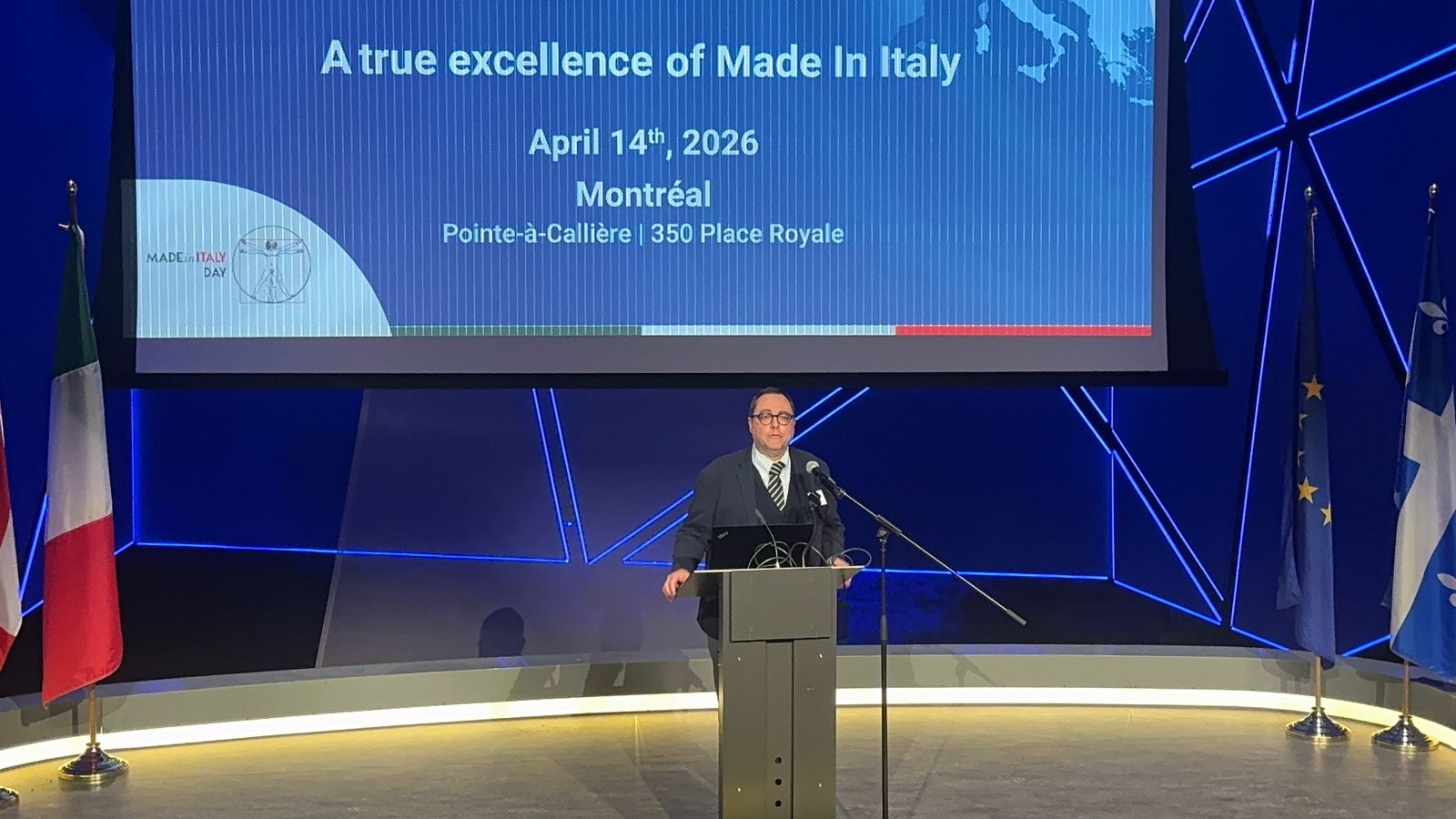
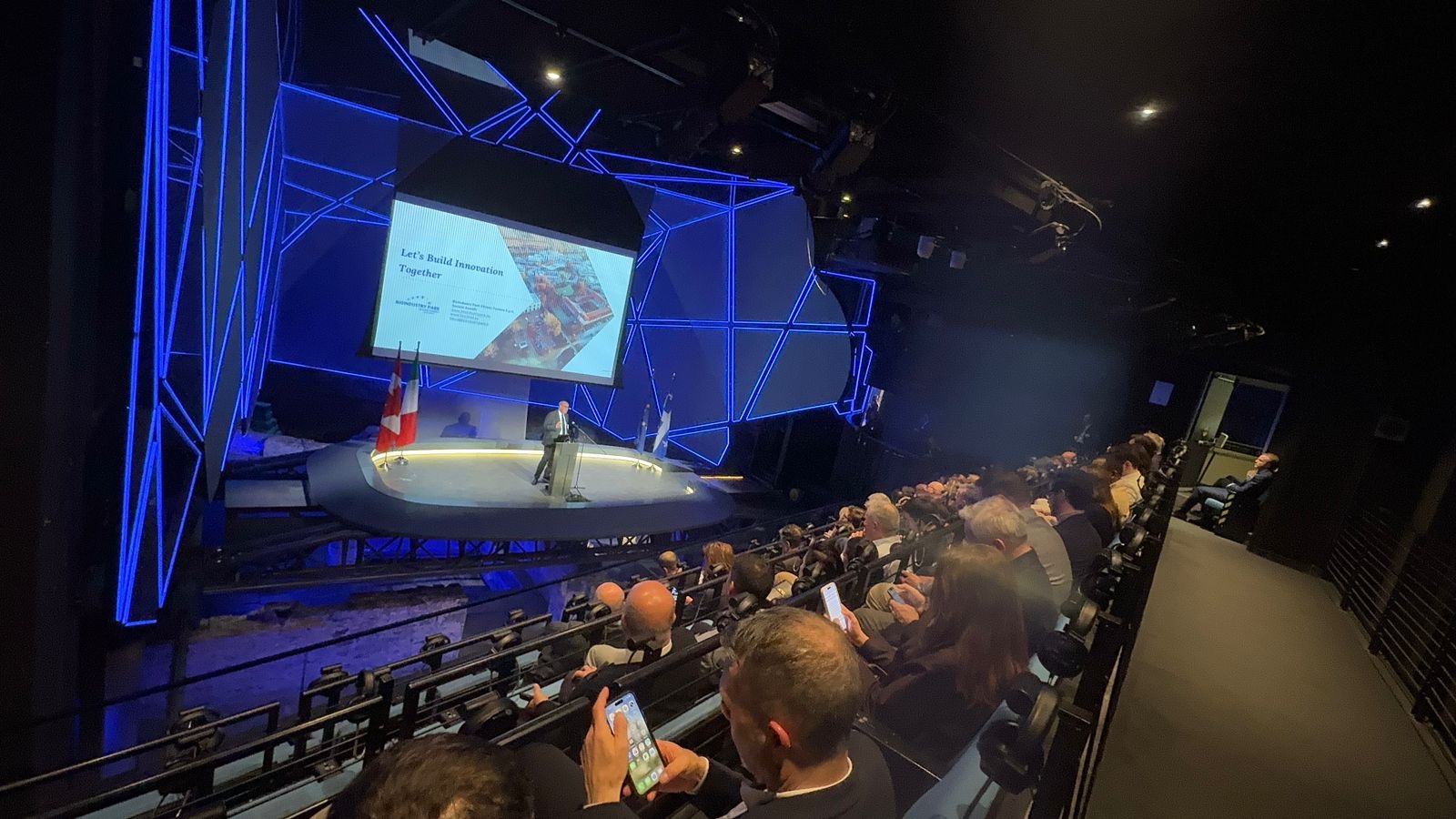
Montreal recently played host to a high-level Italian delegation from the Piedmont region during a conference and cocktail reception organized by the Italian Chamber of Commerce in Canada. The visit brought together prominent institutional leaders, including the Ministers of Development and Health, the Vice Mayor of Torino, and the President of the Torino Chamber of Commerce.
Held at the Musée Pointe-à-Callière, the event underscored the strategic importance of strengthening economic and institutional ties between Quebec and one of Italy’s most dynamic regions. Discussions focused on fostering investment opportunities, advancing innovation, and deepening cooperation across key sectors such as aerospace, agri-food, health and wellness, cleantech and green building, real estate, higher education, and tourism.
The presence of senior government officials reflects Piedmont’s commitment to expanding its international footprint and reinforcing partnerships with Canada. The initiative also highlighted Torino’s growing role as a global center for industry, culture, and entrepreneurship.
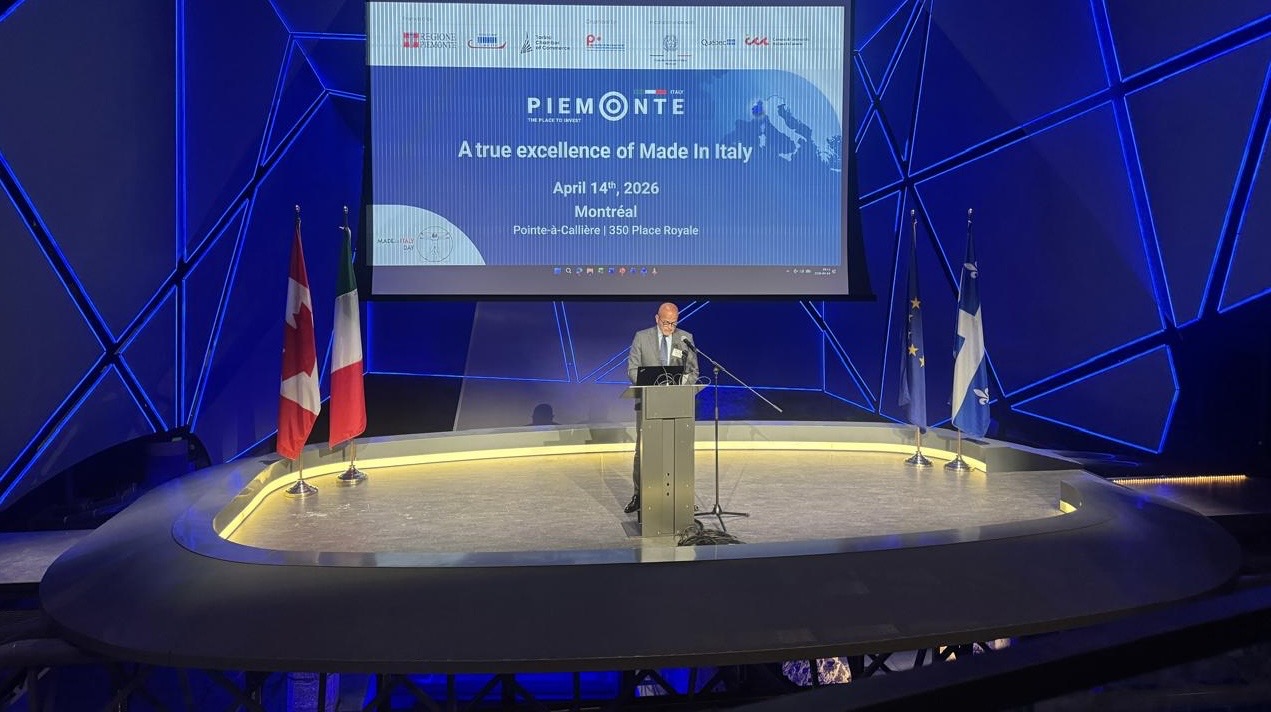
The opening ceremony was led by the Executive Director and Secretary General of the Italian Chamber of Commerce in Canada, Francesco Biondi Morra, who warmly welcomed the distinguished delegation and members of the Chamber. He also highlighted the symbolic significance of the venue—home to the archaeological remains of Ville-Marie, the birthplace of Montreal—drawing a parallel with the beginning of what he described as a growing and promising relationship between Piedmont and Canada. He emphasized that the conference aims to bring together expertise and diverse professional backgrounds to foster meaningful connections and long-term collaboration.
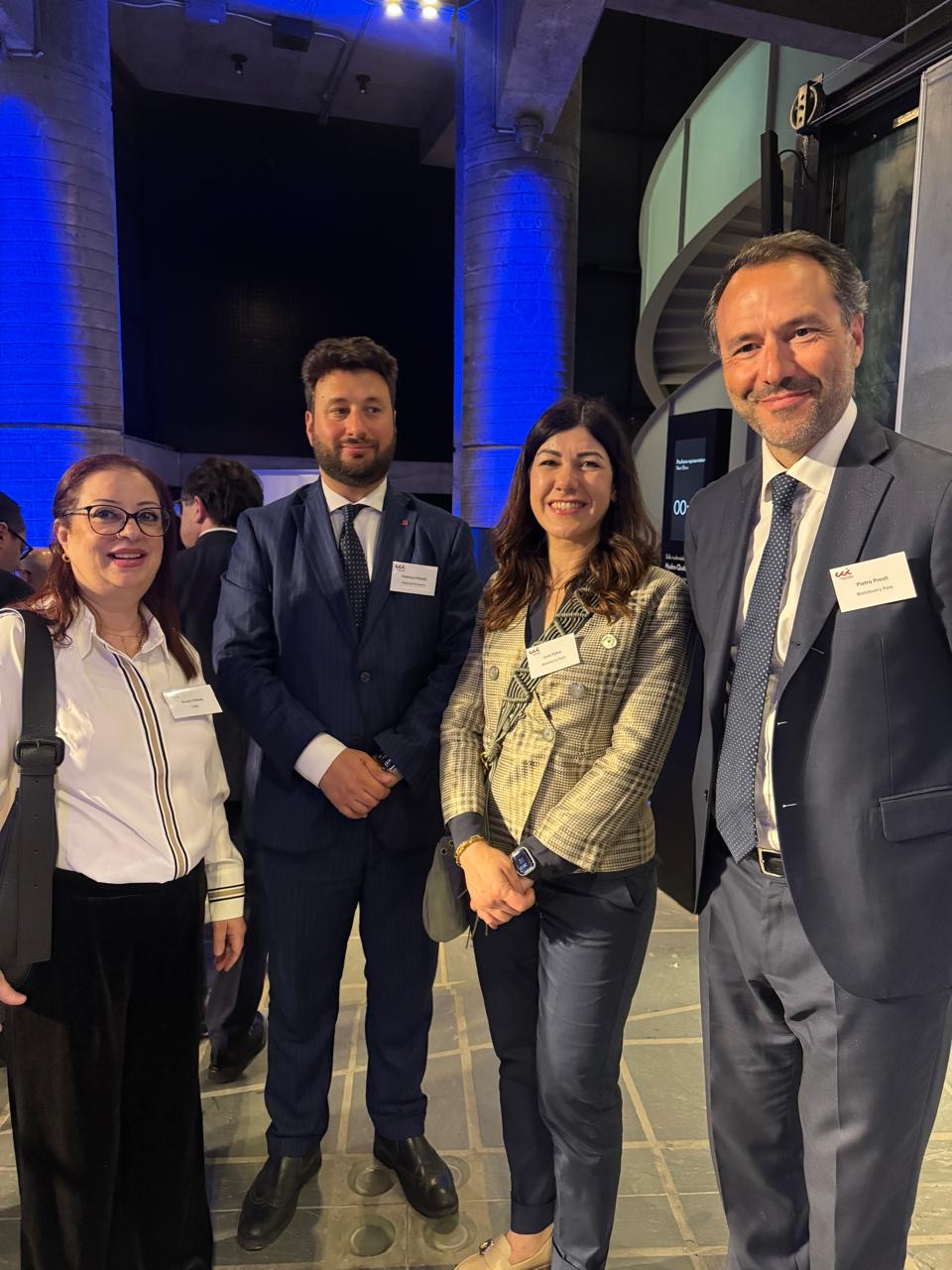
In his remarks, the Consul General of Italy in Montreal, Enrico Pavone, described Piedmont as a powerful embodiment of “Made in Italy,” combining economic strength with technological leadership. He noted that the region has successfully transformed its industrial heritage into a driver of innovation and sustainable development.
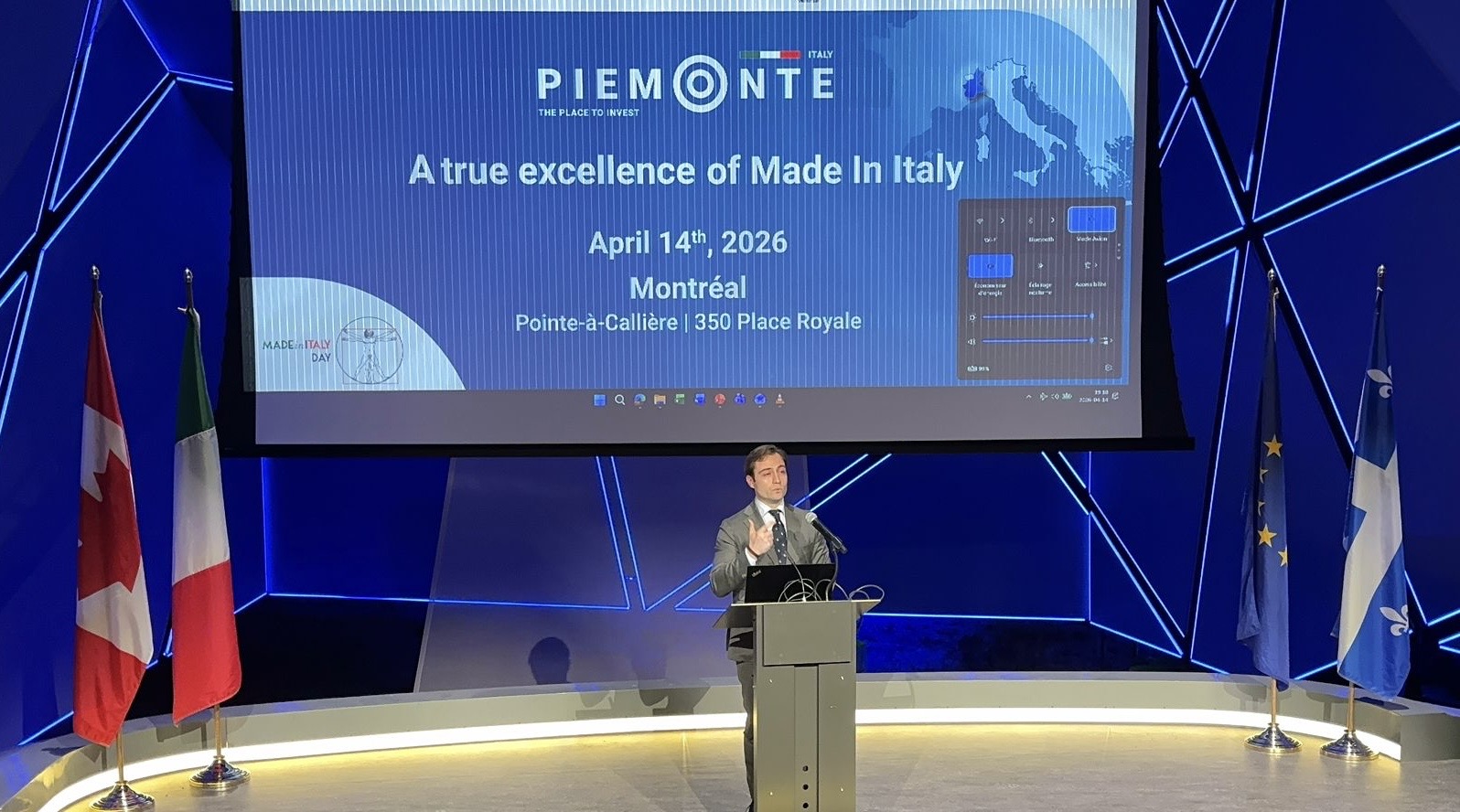
Today, Piedmont is recognized for its excellence in key sectors such as artificial intelligence, healthcare, aerospace, and its strong academic and research ecosystem—positioning it as a hub of advanced technological innovation. Drawing parallels with Quebec, which he described as a natural and strategic partner, Pavone emphasized a shared vision: to build strong bridges between Quebec and Piedmont and create new opportunities for investment, research, and collaboration.
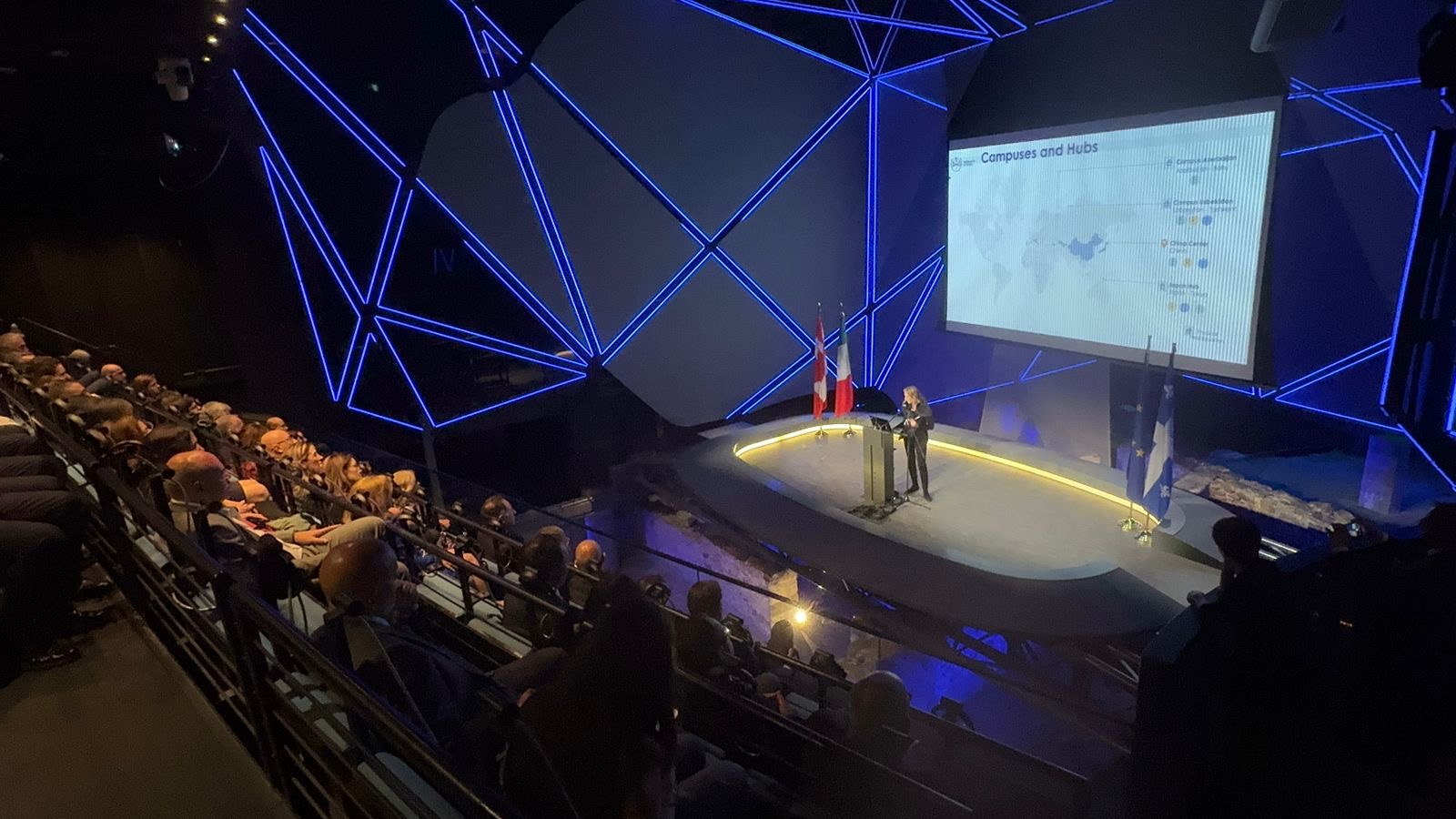
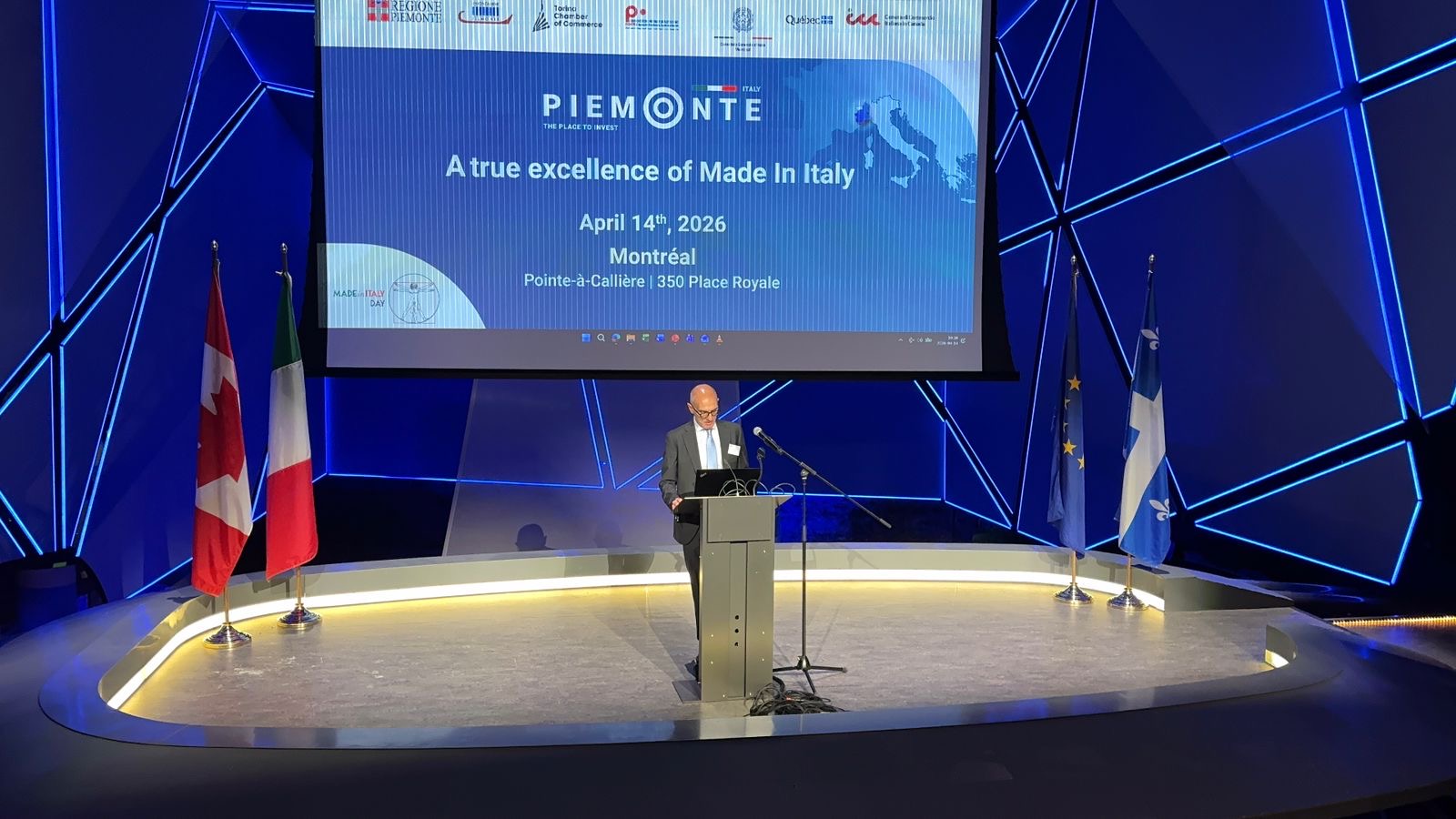
The Regional Minister of Health, Essential Levels of Care, Prevention and Health Security of Piedmont, Federico Riboldi, highlighted the region’s leadership in healthcare innovation, artificial intelligence, and advanced manufacturing. He noted that the delegation’s recent meetings with Canadian institutions and professionals revealed a shared commitment to high-quality research and improving people’s lives through technology.
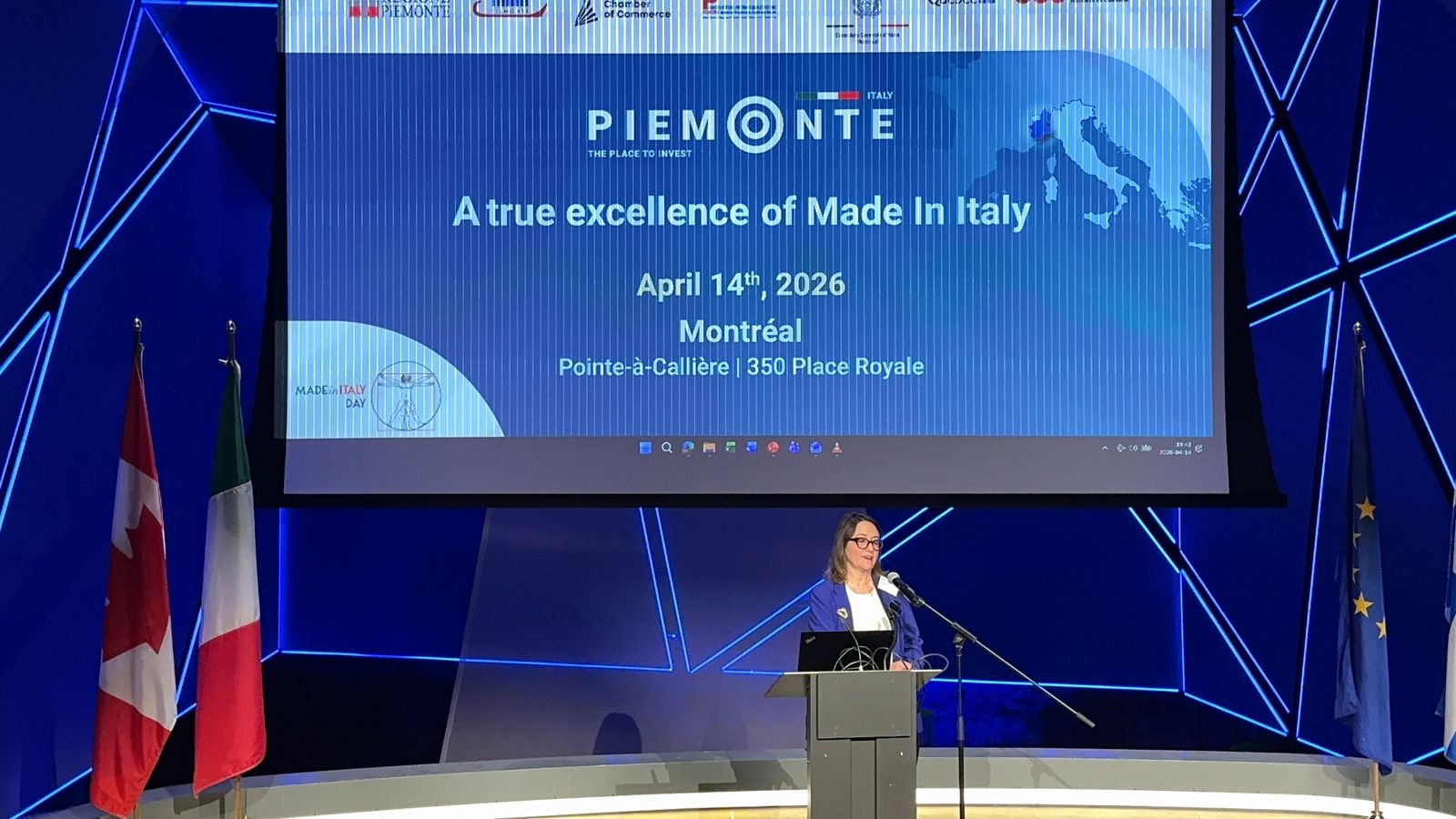
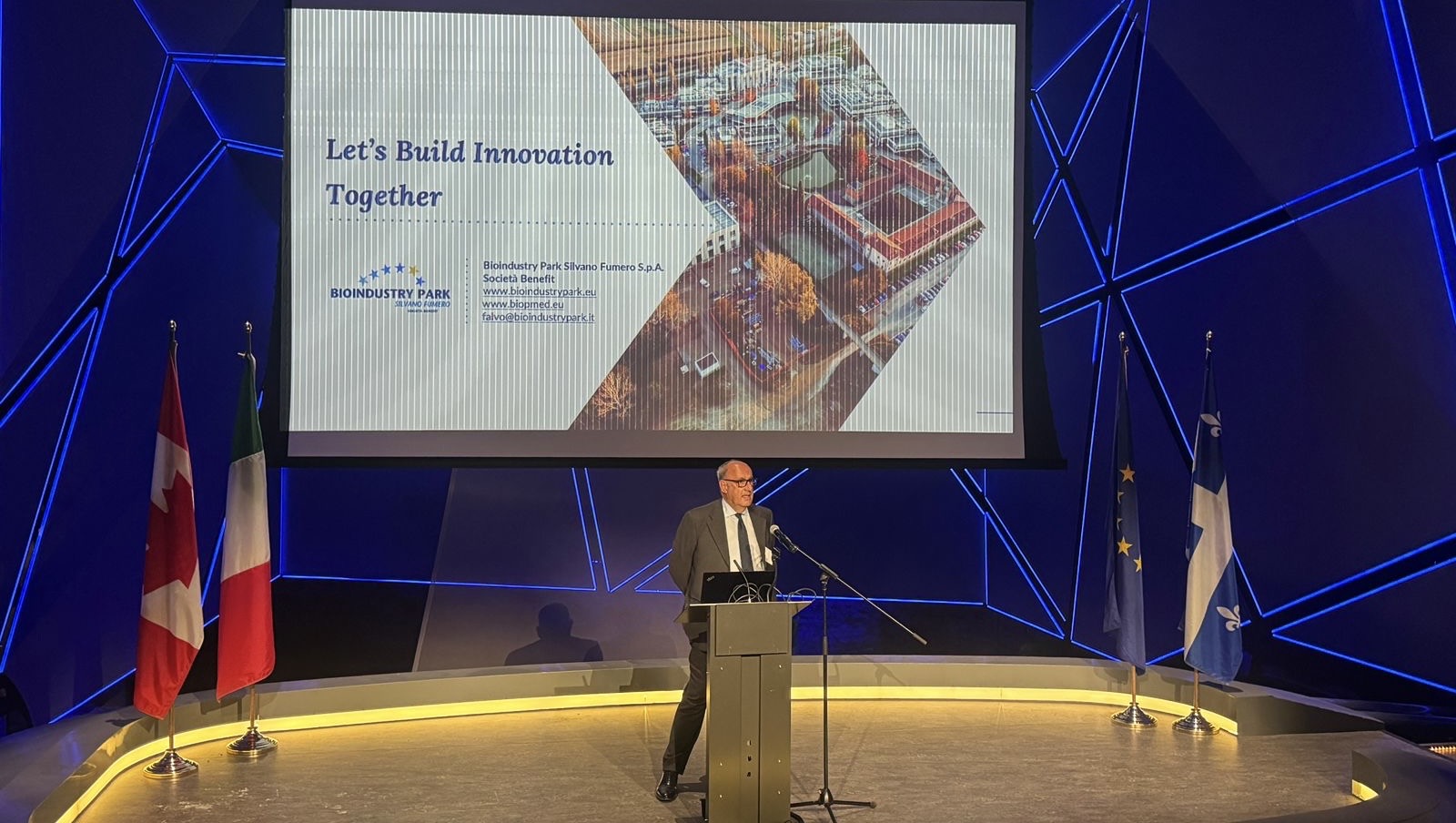
Riboldi emphasized Italy’s strong belief in its public healthcare system and stressed that international cooperation is essential. By working together and sharing expertise, he noted, countries can better address global challenges in healthcare and technological transformation. He concluded by reaffirming Piedmont’s openness to developing new joint projects with Canadian partners.
For his part, the Regional Minister for Internationalization, Investment Attraction and Economic Development of Piedmont, Andrea Tronzano, underlined that the gathering aimed to strengthen ties between the two territories and explore new partnership opportunities.
He described Piedmont as a region where tradition and innovation coexist in a dynamic balance, supported by a strong and diversified economic system. Competitive in sectors such as automotive and digital technologies, the region benefits from a robust industrial ecosystem. Tronzano also highlighted the key role of universities, which work closely with companies and institutions to generate knowledge and translate it into concrete opportunities for growth. This collaborative approach, he noted, is central to enhancing competitiveness and fostering openness to international markets.
The Vice Mayor of Torino, Michela Favaro, opened her remarks by conveying greetings from the Mayor of Torino, Stefano Lo Russo. She described Torino as the capital and beating heart of Piedmont—a city that has undergone remarkable transformations over the decades. Once the first capital of Italy and a driving force of the country’s industrial revolution, Torino has in recent years become one of Italy’s most visited destinations, offering a rich array of cultural, touristic, and sporting attractions, including hosting the 2006 Winter Olympic Games.
She concluded with a warm invitation: “We invite you to visit Piedmont. Viva Italy, viva Torino, viva Piedmont, viva Quebec, Canada.”
The program continued with remarks from representatives of the Chambers of Commerce of Piedmont, leaders from the aerospace sector, and professors from the prestigious University of Turin, each highlighting the region’s strengths and the potential for international collaboration.
The event concluded in a convivial atmosphere with a toast featuring some of Italy’s finest local wines, accompanied by a selection of refined Italian appetizers.